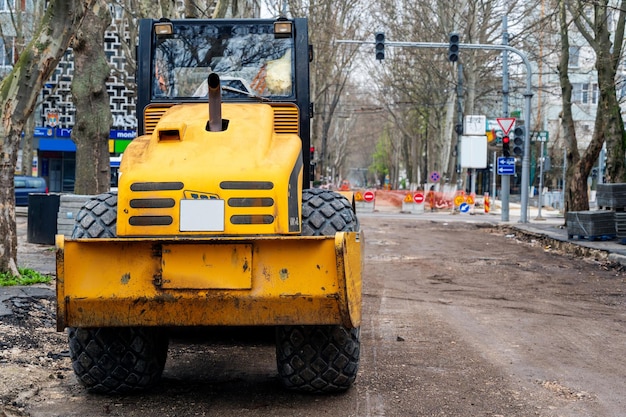
Asphalt surfaces are prevalent in various infrastructures, from roads and driveways to parking lots. Over time, these surfaces may develop cracks, potholes, and other forms of damage due to weather conditions, heavy traffic, and natural wear and tear. Effective asphalt patching is crucial for maintaining the integrity and safety of these surfaces. This article explores the top tips for efficient asphalt patching repair, ensuring longevity and durability in any environment.
Understanding the Importance of Asphalt Patching
Patching is a vital maintenance practice that prevents further deterioration of asphalt surfaces. By addressing issues promptly, it helps in:
- Extending the lifespan of the pavement.
- Enhancing the safety for vehicles and pedestrians.
- Improving the aesthetic appeal of the infrastructure.
- Reducing long-term repair costs.
For those looking to delve deeper into the process, discover expert strategies here.
Top Tips for Effective Asphalt Patching Repair
1. Conduct a Thorough Surface Assessment
Before commencing any repair work, it is essential to evaluate the condition of the asphalt surface. Identifying the type, size, and cause of the damage will guide the choice of repair method. For a detailed assessment process, learn about our tailored solutions.
2. Choose the Right Repair Technique
Different types of asphalt damage require specific repair techniques:
- Surface Patching: Suitable for minor surface cracks and potholes.
- Full-Depth Patching: Ideal for severe damage that affects the structural integrity of the pavement.
- Overlay: A new layer of asphalt applied over the existing surface, used for extensive areas with widespread but shallow damage.
Explore advanced guides and tips to determine the best technique for specific needs.
3. Use Quality Materials
The longevity of a patch depends significantly on the quality of materials used. Always select high-grade asphalt mixtures and ensure proper compaction to achieve a seamless and durable repair. Find out more about this approach to ensure material quality.
4. Consider Weather Conditions
Weather plays a crucial role in asphalt patching. Ideally, repairs should be done in mild, dry conditions to ensure proper curing and adhesion. Avoid patching during extreme temperatures or wet weather, as these can compromise the repair’s effectiveness.
5. Implement a Regular Maintenance Program
Regular maintenance is key to prolonging the life of asphalt surfaces. This includes periodic inspections, sealing of minor cracks, and timely patching of emerging potholes. A proactive maintenance strategy helps prevent minor issues from escalating into major repairs.
Conclusion
Effective asphalt patching repair is an integral part of maintaining safe and durable surfaces. By following these expert tips, property owners and managers can ensure their pavements remain in optimal condition for years to come. For a comprehensive understanding of asphalt patching and to explore additional resources, learn about our tailored solutions.