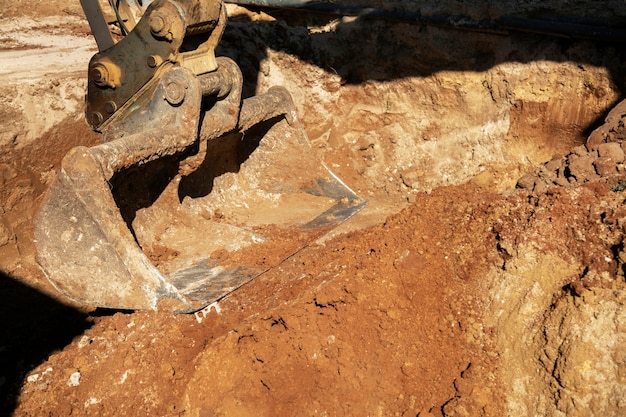
Ensuring the stability and longevity of construction projects requires a solid foundation. This is where the importance of expert soil stabilization services becomes evident. Soil stabilization is a critical process that enhances the shear strength and overall stability of soil, thereby ensuring the safety and durability of structures built upon it. Employing the right stabilization techniques can significantly influence the success of your project, making it crucial to explore advanced methods and professional services to achieve the desired outcome.
Understanding Soil Stabilization
Soil stabilization involves altering the properties of the soil to improve its engineering performance. It is commonly used in the construction of roads, buildings, and various infrastructures to enhance load-bearing capacity and prevent erosion.
Benefits of Soil Stabilization
- Increased load-bearing capacity
- Reduced permeability and water-induced damage
- Enhanced durability and longevity of structures
- Cost-effective in the long run
For those looking to delve deeper into the benefits and processes, discover expert strategies here.
Common Soil Stabilization Techniques
Several techniques can be used to stabilize soil, each tailored to specific soil conditions and project requirements.
Chemical Stabilization
This method involves the use of chemical additives like lime, cement, or fly ash to enhance soil properties. These materials react with the soil particles, leading to improved compactness and reduced swell potential.
Mechanical Stabilization
Mechanical stabilization relies on physical processes such as compaction and utilization of geotextiles or grids. These techniques reinforce the soil structure and improve its load-bearing capacity.
For more detailed insights on these techniques, learn about our tailored solutions.
Choosing the Right Soil Stabilization Service
Selecting the appropriate soil stabilization service is pivotal to the success of any construction project. Consider the following factors:
- Soil type and condition
- Project size and scope
- Environmental impacts
- Budget constraints
The choice of service should align with these factors to ensure optimal results. Explore advanced guides and tips to help make informed decisions.
Long-Term Implications of Soil Stabilization
Beyond the immediate benefits, soil stabilization has significant long-term implications for construction projects:
- Reduced maintenance costs due to enhanced structural integrity
- Increased property value
- Environmental conservation through reduced soil erosion
For a comprehensive understanding of the long-term benefits, find out more about this approach.
Conclusion
Soil stabilization is a vital component of modern construction, offering myriad benefits that enhance the safety, durability, and sustainability of projects. Leveraging expert services and advanced techniques ensures that the foundational aspects of any construction endeavor are robust and reliable. By understanding and implementing the right stabilization strategies, stakeholders can significantly improve project outcomes and achieve long-term success.