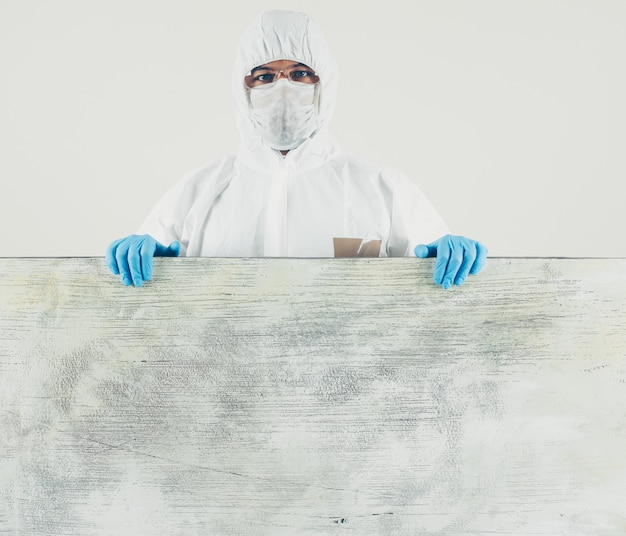
Mold is a ubiquitous issue that can affect homes and businesses alike, leading to health problems and structural damage if left unchecked. The climate in Plymouth, with its specific humidity and temperature conditions, is particularly susceptible to mold growth. Addressing mold issues effectively requires a comprehensive understanding of the problem and the implementation of expert remediation techniques. In this context, residents and businesses in Plymouth can benefit significantly from engaging with specialized mold remediation services. These services ensure that mold is not only removed but also that future growth is prevented through targeted strategies.
Understanding Mold: Causes and Consequences
Mold thrives in moist environments with poor ventilation. It can appear on walls, ceilings, carpets, and other surfaces, often going unnoticed until it has spread significantly. The primary causes of mold growth include:
- High indoor humidity levels
- Leaks in roofs, windows, or pipes
- Flooding or water damage
- Poor ventilation in areas like bathrooms and basements
The presence of mold can lead to various health issues, particularly for individuals with allergies or respiratory problems. It can also compromise the structural integrity of buildings, leading to costly repairs. For those in Plymouth, understanding the environmental factors that contribute to mold growth is crucial. Discover expert strategies here.
Steps to Effective Mold Remediation
Effective mold remediation involves a multi-step process designed to address both the causes and effects of mold growth. The following steps are typically included in a comprehensive mold remediation strategy:
1. Inspection and Assessment
A thorough inspection of the affected area is the first step. This involves identifying the extent of the mold growth and the types of mold present. Advanced detection tools might be used to assess hidden mold. Learn about our tailored solutions.
2. Containment
To prevent mold spores from spreading to other areas, containment measures are implemented. This may involve the use of physical barriers and negative air pressure systems to isolate the affected area.
3. Air Filtration
High-efficiency particulate air (HEPA) filters are utilized to capture mold spores from the air. This step is critical to ensuring that the indoor air quality is restored to safe levels.
4. Mold Removal
The actual removal of mold from surfaces is conducted using specialized cleaning agents and techniques. This step must be performed with precision to ensure all mold is eliminated.
5. Cleaning and Restoration
Once the mold is removed, affected areas are cleaned and restored. This may involve repairing or replacing damaged materials. Preventive measures are then implemented to reduce the likelihood of future mold growth. Explore advanced guides and tips.
Preventive Measures for Mold Control
Preventing mold from returning is a critical component of mold remediation. Here are some effective strategies:
- Maintain indoor humidity levels below 60%.
- Ensure proper ventilation in moisture-prone areas.
- Fix leaks and water damage promptly.
- Use mold-resistant products in areas susceptible to mold.
In Plymouth, taking proactive steps to control mold is essential for maintaining a healthy and safe living environment. These measures not only protect health but also preserve property value. Find out more about this approach.
Conclusion
Mold remediation is a complex process that requires expertise and precision. For Plymouth residents and businesses, understanding the nuances of mold growth and effective remediation strategies is paramount. Engaging with specialized services ensures that mold issues are addressed comprehensively, safeguarding health and property. By implementing preventive measures and staying informed about advanced remediation techniques, mold can be effectively managed and controlled.